What Hotel Buffet Operators in Singapore Should Look for in a Food Distributor
- Published on : 25 June, 2026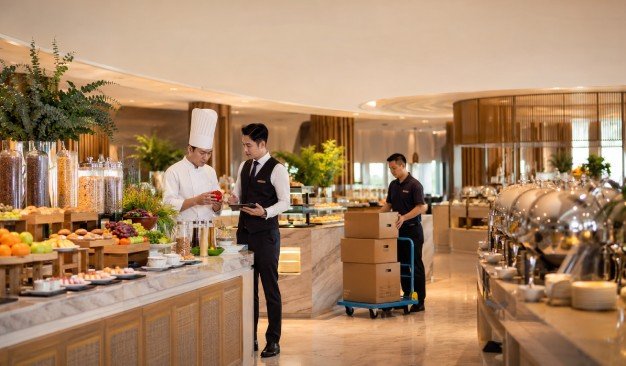
Running a hotel buffet in Singapore is one of the most demanding formats in the entire hospitality industry. You are not cooking a fixed set menu for a table of four. You are preparing dozens of dishes simultaneously, across multiple cuisines, for a dining room that fills and empties in waves, every single day.
The breakfast spread needs to be ready before the first guest walks in at six-thirty in the morning. The lunch buffet must look fresh and fully stocked even at two in the afternoon. Weekend brunches attract large crowds expecting a spread that feels genuinely premium. And through all of it, your kitchen team is working to tight timelines with very little room for supply surprises.
The food distributor you choose sits right at the centre of whether this works smoothly or not. The wrong partner, one who delivers inconsistently, has a narrow product range, or cannot handle the volume demands of a hotel kitchen, creates friction at every level of your operation. The right one quietly makes everything easier.
This guide walks you through exactly what to look for when evaluating a food distributor for your hotel buffet operation in Singapore.
1. A Product Range That Covers Multiple Cuisines
Singapore’s hotel buffet market is competitive. Guests, whether they are business travellers, tourists, or local families celebrating a special occasion, expect variety. A breakfast buffet that offers only standard continental fare will not hold attention for long. A weekend brunch that covers Asian, Western, and international options draws far better reviews and repeat visits.
This means your distributor needs to carry a wide product range across multiple cuisine categories. You should not need to maintain four or five separate distributor relationships just to cover your bases.
Look for a distributor who carries:
- Authentic Asian sauces and condiments: Thai curry pastes, fish sauces, soy-based seasonings, sweet chilli sauces, and oyster sauces that deliver genuine flavour rather than a diluted approximation. Brands like Maesri, Megachef, and Thai Dancer serve exactly this purpose in hotel kitchens.
- Herbs, spices, and seasonings: A hotel kitchen goes through considerable volumes of dried herbs, spice blends, and seasoning mixes. A distributor with a strong range in this category saves you from juggling multiple specialist suppliers.
- Baking supplies and gourmet ingredients: Breakfast buffets live and die by their pastry and baking output. Quality vanilla extracts, baking bases, and specialty ingredients matter here far more than most operators acknowledge until something goes wrong.
- Ready-to-cook items: Particularly valuable for maintaining consistency across dishes that require skilled preparation at scale. Products like jackfruit-based meat alternatives, plant-based proteins, and pre-seasoned bases allow your kitchen team to deliver consistent results even when staffing is stretched.
- Sauces, dressings, and spreads: The condiment station, the salad bar, and the live cooking stations all need reliable, flavourful bases that hold up across a long service period.
- Snacks and lighter fare: For afternoon tea spreads, poolside dining, and casual lounge menus, having access to quality snack products like nut mixes, banana chips, and specialty crackers from a single distributor adds real convenience.
A distributor who covers this breadth means fewer vendor relationships to manage, fewer purchase orders to track, and fewer delivery windows to coordinate.
2. Halal Certification Across Key Product Lines
Singapore’s hotel guests include a significant Muslim population, including local guests, regional tourists from Malaysia and Indonesia, and business travellers from the Middle East and other Muslim-majority markets. For many hotels, the Muslim traveller segment is not niche; it is core business.
This has practical implications for your distributor relationship. You need access to MUIS-certified Halal products across your key categories, including sauces, condiments, seasonings, and pantry staples, without having to source them from a separate Halal-specialist supplier.
Ask your distributor directly: which products in their catalogue carry MUIS certification? Can they provide copies of current certification? How do they handle segregation of Halal and non-Halal products in their warehouse and delivery fleet?
A distributor who supplies multiple hotel accounts in Singapore will already have clear answers to these questions. One who does not is either inexperienced in the hotel segment or has not invested in this area of compliance.
3. Consistent Product Quality, Batch After Batch
In a hotel buffet kitchen, consistency is everything. Your executive chef cannot afford to rebuild a dish from scratch because the curry paste tastes different this month compared to last month, or because the soy sauce in the latest delivery is notably saltier or thinner than the batch before.
This kind of inconsistency is far more common with distributors who are sourcing loosely or switching between manufacturers to cut costs. A strong distributor commits to consistent sourcing from reliable manufacturers, and the quality of the brands they carry reflects this.
When evaluating a distributor, look for established brands with standardised manufacturing processes, not generic or private-label products where quality control is opaque. A good distributor should also be able to provide product datasheets and batch traceability so that if there is ever a quality issue with a specific delivery, they can trace it quickly and respond accordingly.
In a hotel kitchen, your recipes are standardised for a reason. Your distributor should protect that standardisation, not undermine it.
4. SFA Compliance and Full Documentation
Every food distributor operating in Singapore must be licensed by the Singapore Food Agency. For hotel buyers, SFA compliance is the non-negotiable baseline, not an optional extra.
For hotel procurement teams that are accountable to internal audits, brand standards, and corporate food safety frameworks, documentation matters at a granular level. Your distributor should be able to provide copies of their SFA licence on request, allergen declarations for every product in their catalogue, and proactive notification of any product recalls or changes to product formulation.
Hotels operating under international brand standards often have procurement checklists that go beyond Singapore’s local requirements. A distributor experienced in hotel supply will be familiar with this level of documentation and will not treat these requests as unusual.
5. Reliable Delivery That Fits Your Kitchen Schedule
A hotel kitchen runs on a schedule that leaves no room for late deliveries. The breakfast prep team starts work before dawn. As soon as breakfast preparation is underway, the team begins preparing ingredients for lunch. Dinner preparation often starts while lunch service is still in progress. If an ingredient is missing when the team needs it, the kitchen cannot simply pause while someone scrambles for a substitute.
When assessing delivery capability, ask what their standard delivery days and windows are, how they handle stock shortages, and whether they have a dedicated account contact your team can reach quickly if there is a delivery issue on the day.
Have they supplied other hotel accounts in Singapore? Hotels have demanding delivery requirements, and a distributor who has navigated those requirements successfully will perform far more reliably than one who has not.
6. Volume Flexibility for High-Demand Periods
Hotel buffet volumes are not constant. A Sunday brunch fills the restaurant with three times the usual weekday breakfast crowd. The festive season, including Chinese New Year, Hari Raya, Deepavali, and Christmas, drives significant spikes in volume that can stretch a kitchen’s supply requirements substantially. Corporate events, weddings, and group bookings compound this further.
Look for a distributor who carries adequate buffer stock of your core ingredients, gives you advance notice if a product is approaching low stock levels, and can accommodate both standing bulk orders and ad hoc top-up requests when volumes change quickly.
Ask specifically how they have handled sudden volume increases for other hotel or large institutional clients, and ask for examples. This kind of operational resilience is not easy to assess from a first meeting, but it is one of the most important things to get right.
7. A Wide Dietary and Allergen Range
Hotel buffets serve an incredibly diverse guest profile. Business travellers with dietary restrictions. Families with children who have food allergies. Health-conscious guests who actively seek out clean-label or plant-based options. Tourists who are unfamiliar with local ingredients and have specific needs.
A distributor whose range only covers conventional pantry staples is not set up for where the hotel buffet market is heading. Look for one who carries:
- Plant-based proteins and meat alternatives
- Low-sodium sauces and condiments
- Clean-label ingredients with short, recognisable ingredient lists
Having access to products like jackfruit-based items from Wakao Foods, coconut-based ingredients from Coco Heart, or premium vanilla and natural flavourings from Sprig means you can build menus that serve a genuinely broad guest base, all from a single distributor relationship.
8. A Partner Who Understands Hotel Operations
This last point is harder to quantify, but experienced hotel procurement managers will know exactly what it means. A distributor who understands hotel operations thinks differently from one who does not.
They understand that your executive chef’s time is not available for lengthy back-and-forths about a product substitution. They understand that a missed delivery on a Saturday morning, when the banquet team is setting up for a wedding brunch, is a significant operational problem, not just an inconvenience. They understand that a product quality complaint from a hotel guest reflects on the hotel’s brand, not just the kitchen’s judgment.
The best food distributors for hotel buffet operations in Singapore:
- Proactively communicate any supply risks or product changes before they affect your kitchen
- Have a dedicated point of contact who knows your account and can respond quickly
- Treat your business as a long-term partnership rather than a transaction
When a distributor genuinely understands the hotel context, you feel it in every interaction. When they do not, you feel that too.
Finding the Right Food Distribution Partner for Your Hotel Buffet
The food distributor you choose for your hotel buffet operation in Singapore is not a commodity decision. It is a partnership that directly affects the quality of your buffet, the efficiency of your kitchen, the reliability of your service, and ultimately the experience of every guest who walks through your dining room.
The right distributor will bring product breadth across cuisines, consistent quality from batch to batch, Halal certification where it matters, reliable delivery that fits your schedule, and the flexibility to scale with you through your busiest periods.
If you are looking for a food distribution partner built for hotel and institutional accounts in Singapore, Alkemal Foods supplies a wide range of SFA-compliant, Halal-certified sauces, condiments, ready-to-cook items, plant-based products, baking ingredients, snacks, and pantry staples, with reliable delivery and dedicated account support. Get in touch to discuss your requirements.