The Rise of Indian and South Asian Grocery Demand in Singapore
- Published on : 24 July, 2026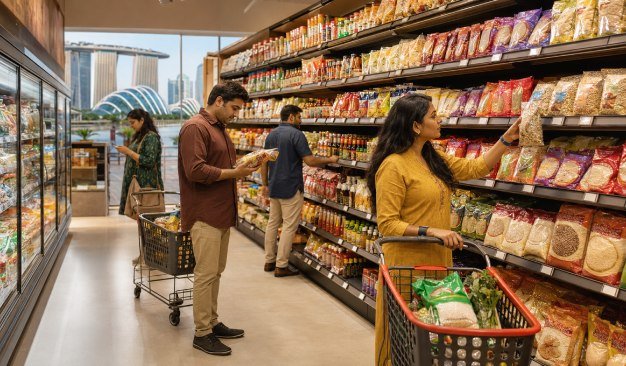
Walk into any supermarket or mini-mart in Singapore today and you will notice something different from a decade ago. The shelves are bigger, better stocked, and harder to keep full. Indian and South Asian grocery demand is growing fast, and retailers who are not paying attention are leaving money on the table.
This is not a niche trend anymore. It is a shift in who Singapore’s grocery buyers are and what they expect to find on the shelf. Here is what is driving it and what retailers need to know to keep up.
Why Demand Is Growing
A Larger and More Established Indian and South Asian Community
Singapore’s Indian and South Asian population has grown steadily, and it is not just about numbers. Many households have been here long enough to want the same quality and variety of ingredients they grew up with, not just the basics. That means demand has moved beyond rice and dal into specialty items like cold-pressed oils, regional spice blends, and authentic snack brands.
Younger Consumers Cooking Traditional Food at Home
A newer generation of home cooks is bringing traditional recipes into modern kitchens. They are comfortable ordering online, reading labels, and comparing brands, so they expect the same convenience and clarity they get with any other grocery category. This group is a big reason why demand has spread beyond dedicated Indian grocery stores into mainstream supermarkets.
Wider Singaporean Interest in South Asian Food
Indian and South Asian cuisine has crossed over. Butter chicken, biryani, and dosa are now regular menu items well beyond Little India, and home cooks across ethnic groups are experimenting with South Asian flavours. This is expanding the customer base for these products far beyond the community they originally served.
Health-Conscious Buyers Turning to Traditional Ingredients
Ingredients like millets, ghee, and cold-pressed oils are being rediscovered as clean-label, minimally processed alternatives to Western pantry staples. Shoppers who are not necessarily South Asian are picking these up for their nutritional profile, which is opening a new lane of demand entirely.
What Retailers Need to Stock
Retailers looking to serve this demand should think beyond the traditional grocery aisle basics. Categories worth prioritising include:
- Staple grains and flours, including a range of atta, rice, and millet-based products
- Authentic spice blends and single spices with clear sourcing and freshness
- Ready-to-cook and ready-to-eat South Asian meal options for time-pressed households
- Snacks such as roasted nuts, murukku, and namkeen that appeal to both South Asian and mainstream shoppers
- Beverages including masala chai blends and instant chai formats
- Pickles, chutneys, and condiments that round out the pantry
The key is variety within each category. South Asian grocery shoppers are often loyal to specific regional brands or flavour profiles, so a single generic option per category will not be enough to earn repeat business.
What to Look for in a Supplier
Meeting this demand well comes down to who is supplying the shelf. Retailers should look for a distributor that offers:
- A genuinely wide catalogue across staples, snacks, spices, and beverages, not just one or two token items
- Reliable, consistent stock so popular items are not constantly out of shelf
- Proper certification and compliance with Singapore’s food safety standards
- Halal-certified options where relevant, since this matters to a significant share of buyers
- Responsive support for reordering, especially around festivals and peak demand periods
A Category Worth Investing In Now
Indian and South Asian grocery demand in Singapore is not a passing trend. It reflects a bigger, more settled community with real purchasing power, plus a wave of curious mainstream shoppers discovering the category for the first time. Retailers who build out this section properly now, with the right partner behind them, are positioning themselves for a category that is only going to keep growing.
Alkemal Foods works with retailers, supermarkets, and mini-marts across Singapore to stock authentic, high-quality Indian and South Asian grocery products through trusted brands like Being Bania, Farmley, and Trishya Natural. Get in touch to see how we can help you build out this category on your shelves.